Life at SDS
A small cohort, a shared studio at the Henkaku Center, and faculty from science, engineering, design, law and the arts working alongside you. Here is what a week at SDS feels like, the community around you, and where you'll study. For the semester-by-semester path through your degree, see Your SDS journey.
A week at SDS
Every day has its own rhythm. Here is an example of a first-year Master's student's week, with required courses at its heart and electives you choose around them. This is not a set timetable: your week depends on the electives you pick.
Spring
-
Monday
Research day
Read, build and meet with your advisor.
No scheduled classes
-
Tuesday
Studio day
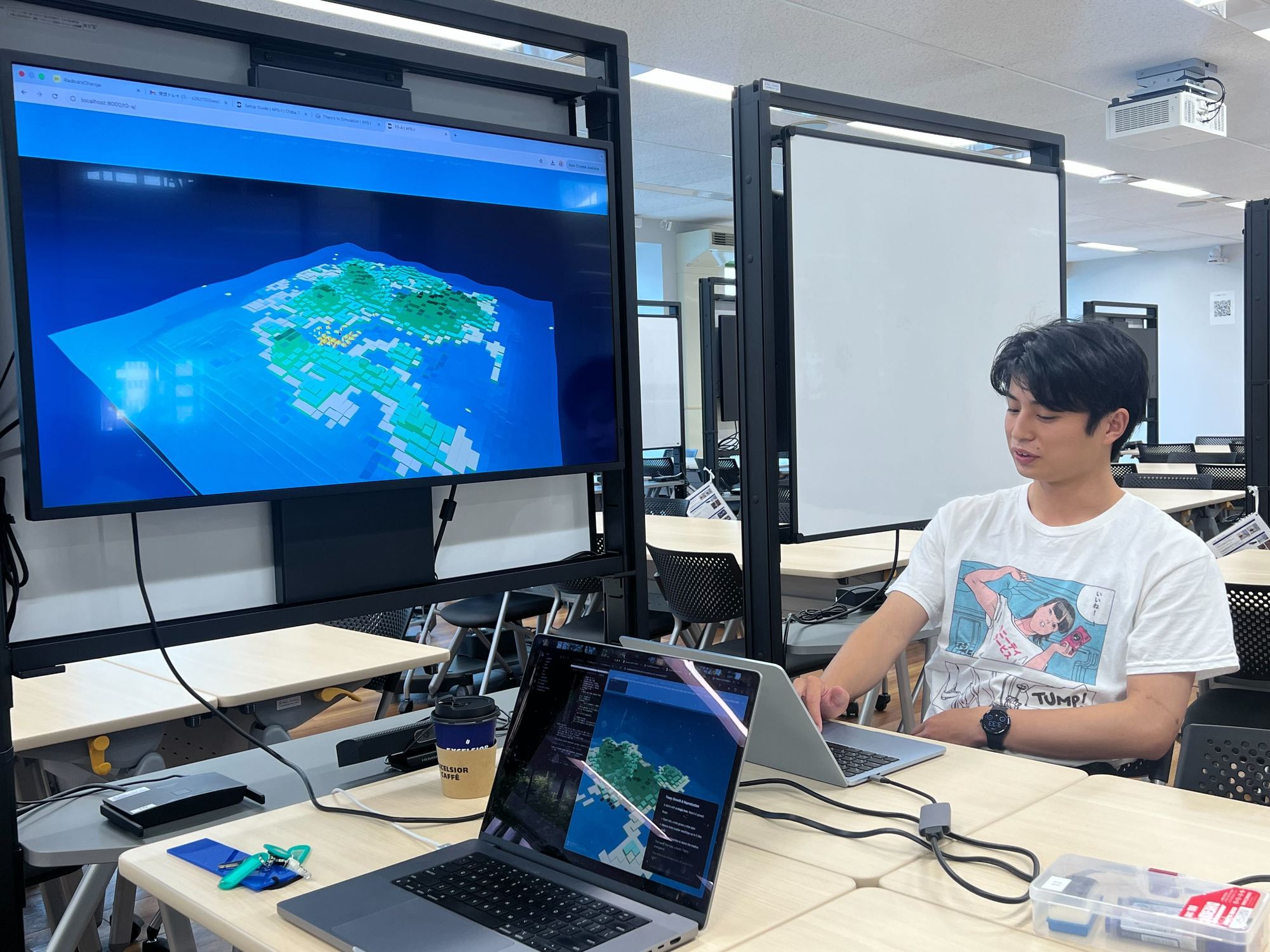
Afternoons in APS I, building simulations with AI.
- Speculative Design 10:00–12:00 · elective
- APS I 13:00–16:00 · required
-
Wednesday
Open day
Independent research, reading and community events.
No scheduled classes
-
Thursday
Studio day
Back in the studio, then Web3 at the Henkaku Center.
- APS I 13:00–16:00 · required
- Web3/AI Gairon 15:00–17:00 · Henkaku Center
-
Friday
Foundation
Start with DNA, end with complex systems.
- DNA 9:00–11:00 · required
- Human and Machine Learning 13:00–15:00 · elective
- Complex System Science 15:00–17:00 · elective
Fall
-
Monday
Research & values
How technology meets governance.
- Law and Governance 14:00–16:00 · elective
- Technology and Values 16:00–18:00 · elective
-
Tuesday
Build day
Robots and local AI in APS II.
- Entrepreneurship 9:00–11:00 · Henkaku Center
- APS II 13:00–16:00 · required
-
Wednesday
Make & tell
Prototype in the morning, tell the story after lunch.
- Design & Prototyping 10:00–12:00 · elective
- Digital Media & Flourishing 13:00–15:00 · elective
-
Thursday
Reflect & Build
A quiet morning, a busy studio afternoon.
- Principles of Awareness 9:00–11:00 · required
- APS II 13:00–16:00 · required
-
Friday
Mind & matter
From LLM agents to modern physics.
- Intelligent Agents 11:00–13:00 · elective
- Modern Physics 15:00–17:00 · elective
An example week, built from the current timetable. It is not a fixed schedule: times can change from term to term, and each course page has the latest. Monthly lab meetings and independent research happen around these classes.
Community & events
Learning at SDS spills out of the classroom: into music, makerspaces, companies and public events.
-
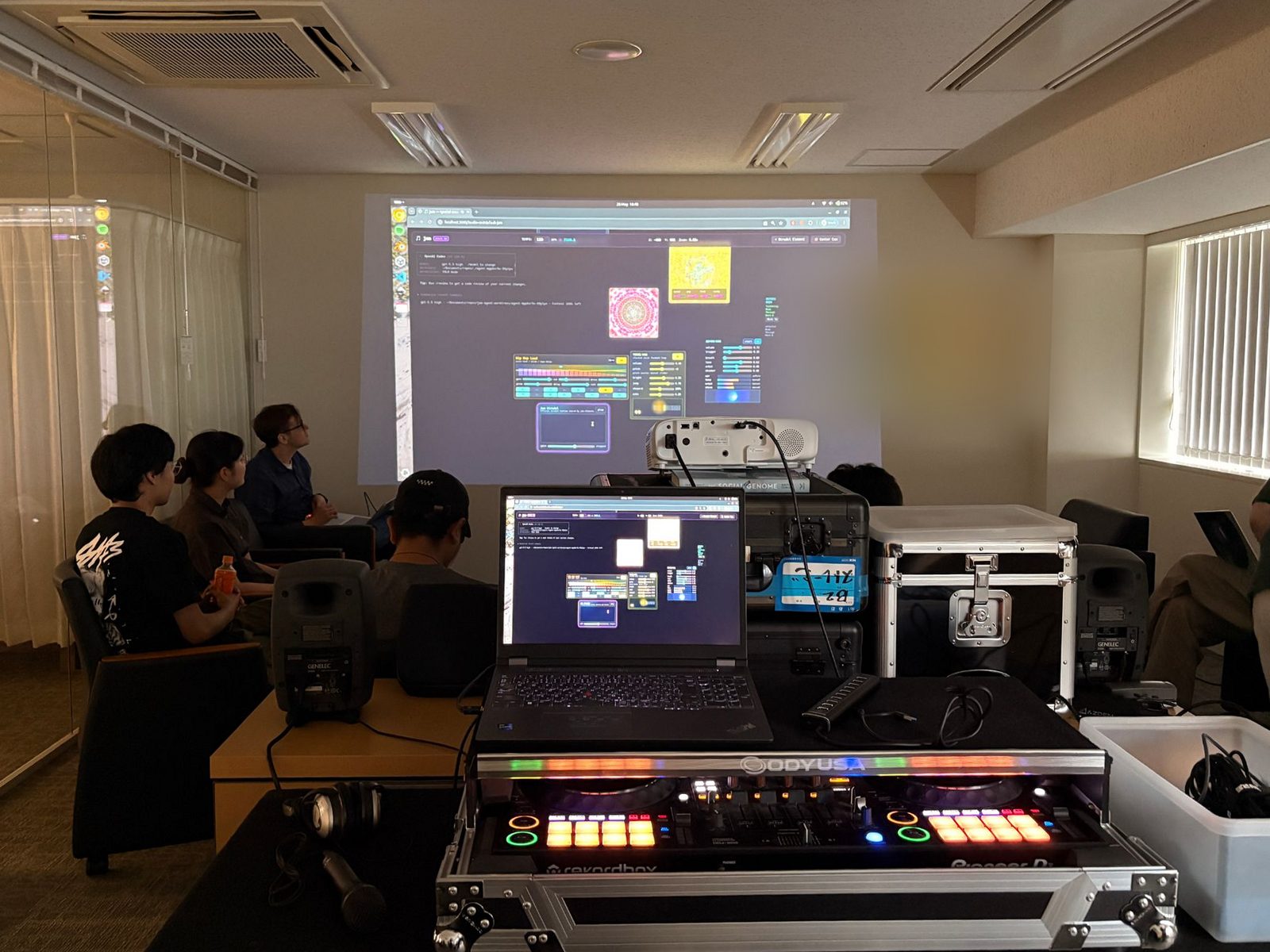
Live coding sessions
Students and researchers come together to make music and visuals with code in real time, often vibe coding with AI. Sessions at FabCafe Tokyo in Shibuya and at the Henkaku Center are open to students across Chiba Tech. No coding or music experience needed.
-
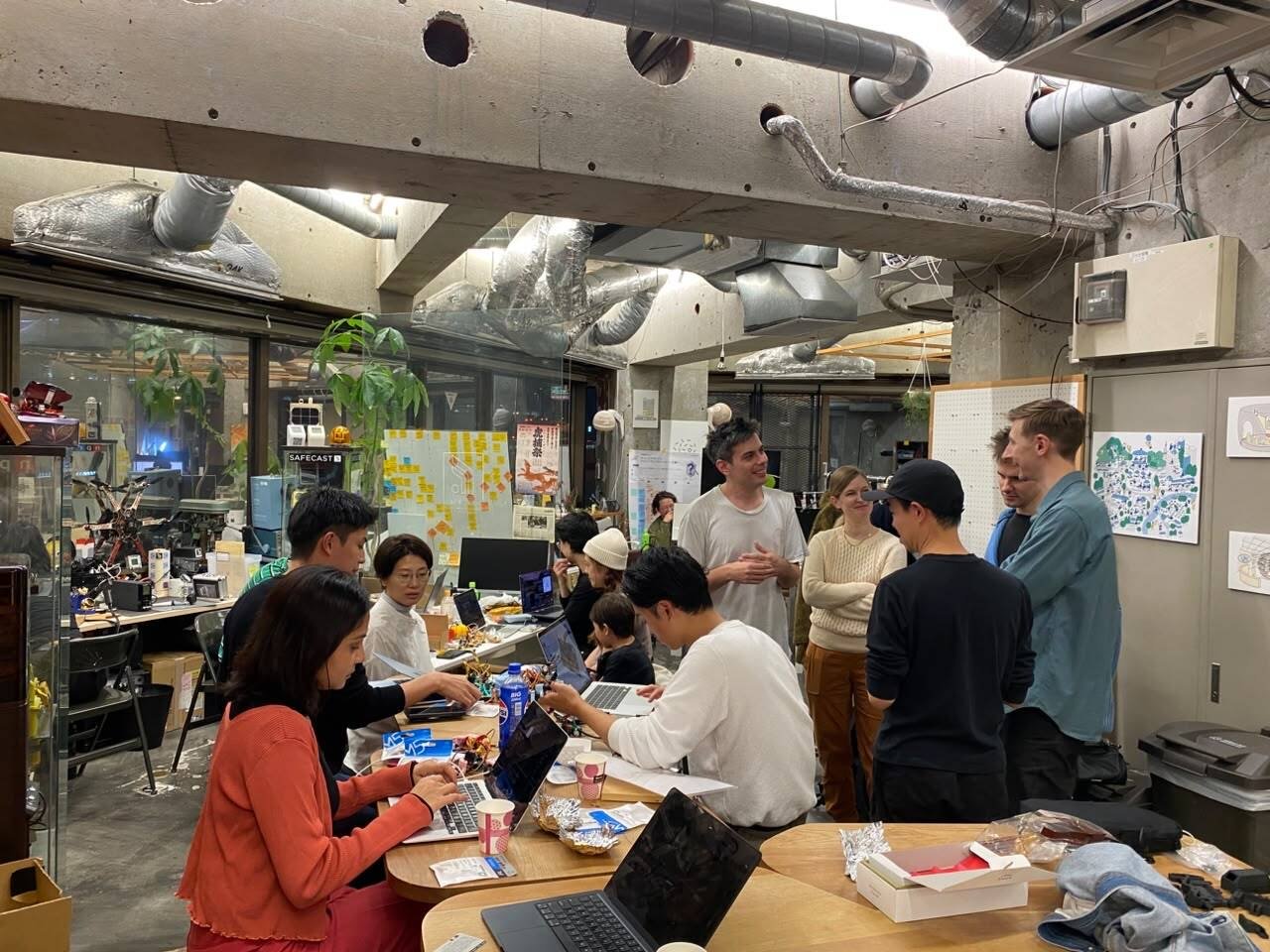
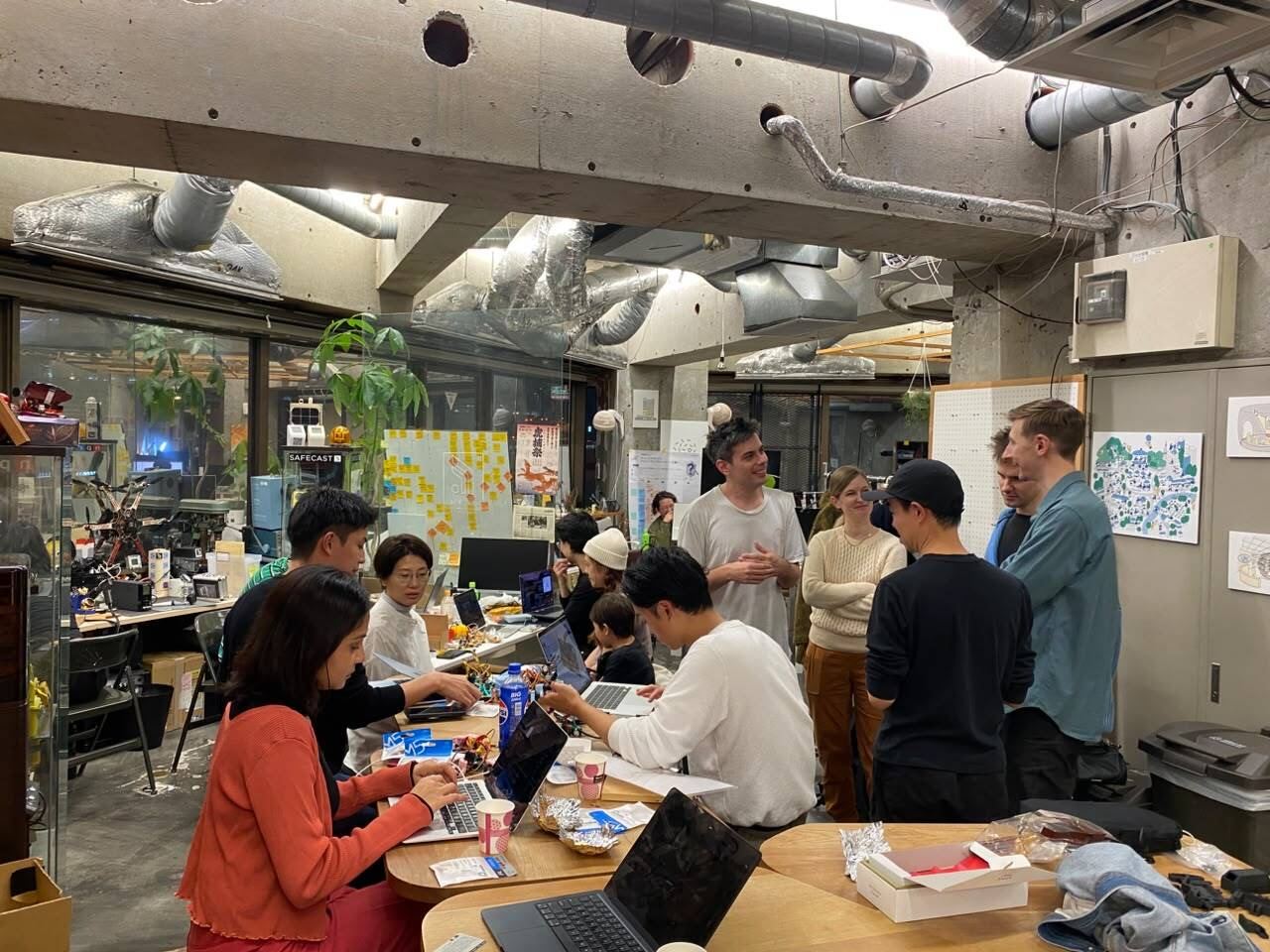
Building with partners
In APS II, students learn alongside our partners: builder sessions at FabCafe Tokyo in Shibuya, guest talks, and an end-of-year showcase at a partner's event where students demo the robots they built. It is one of the ways SDS works with companies and communities beyond the university.
-
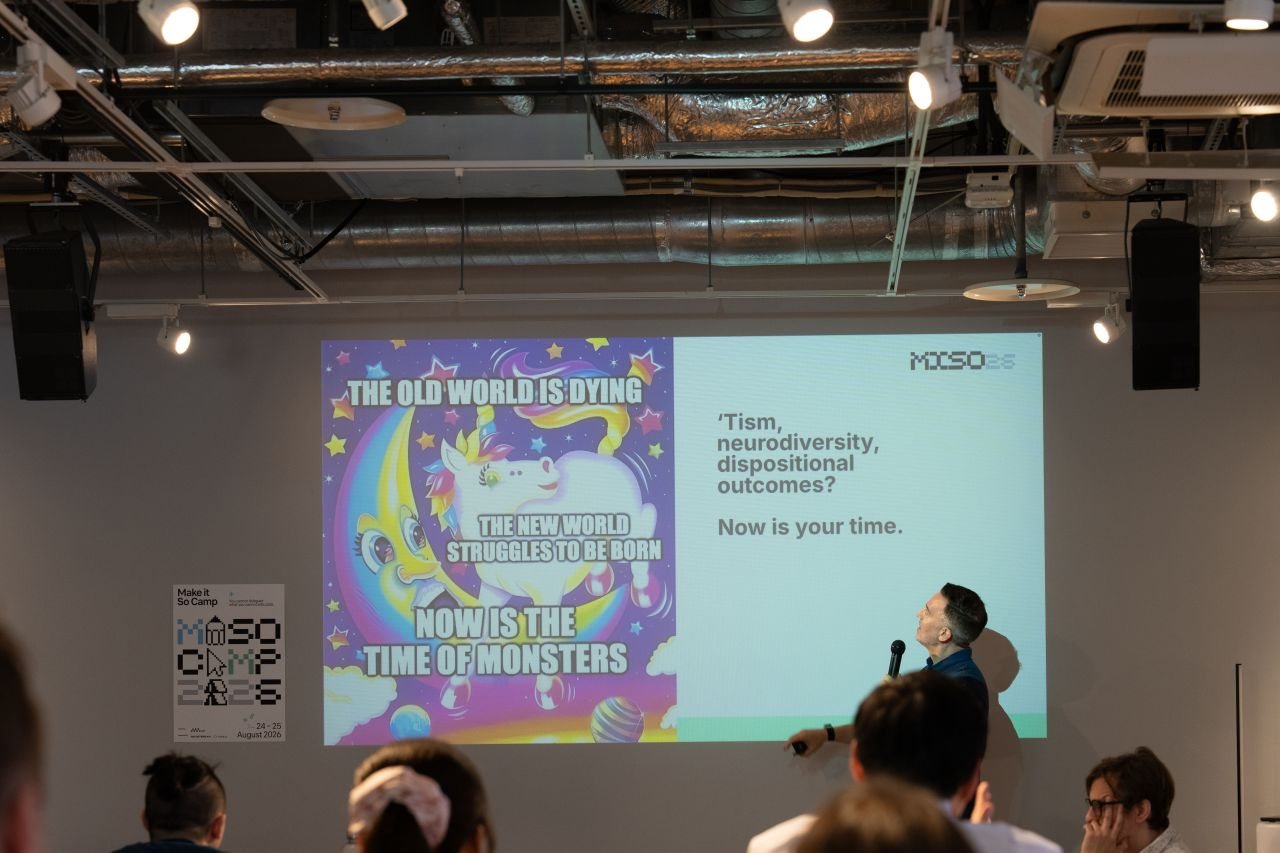
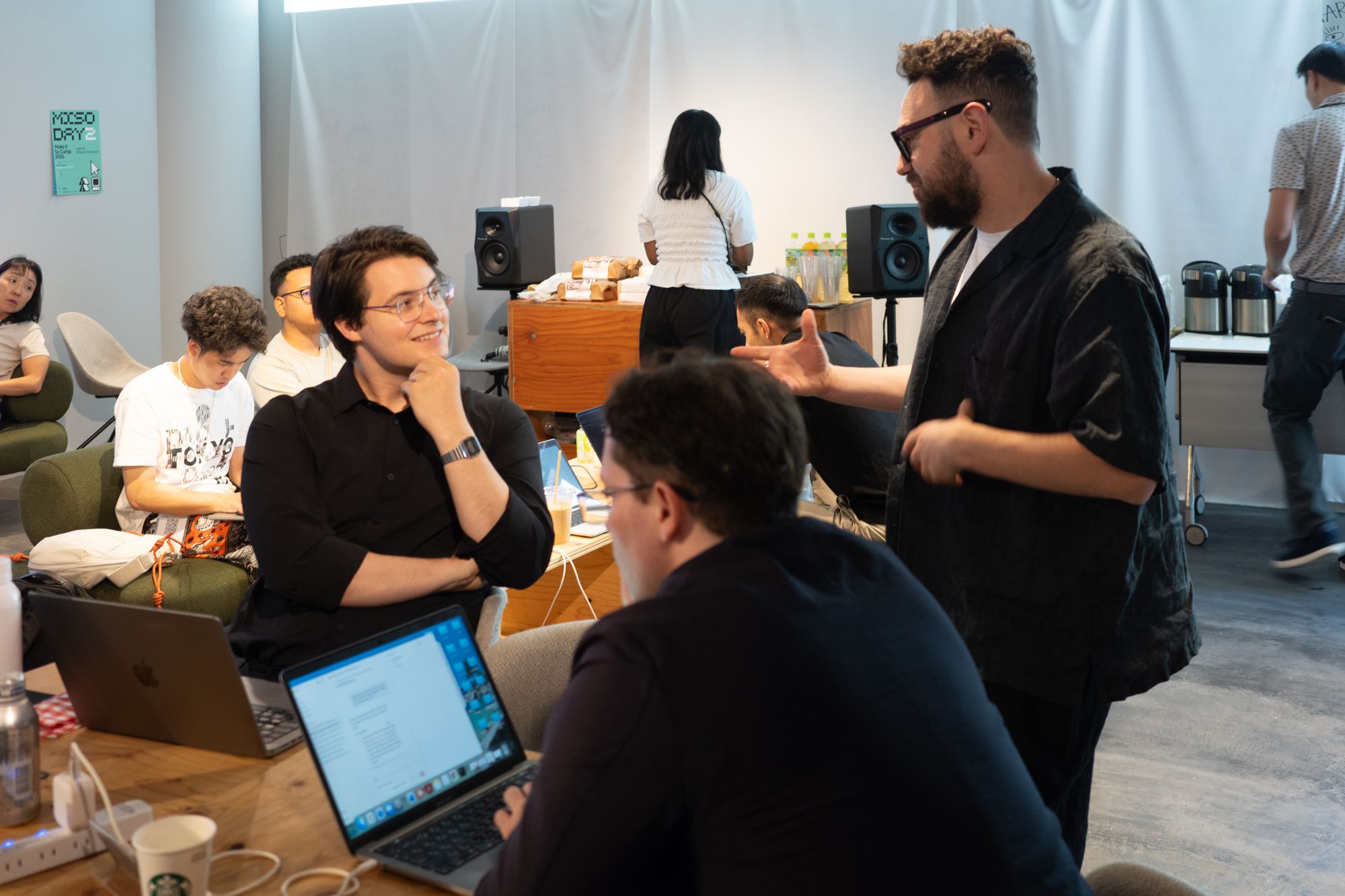
Make It So (MiSO) Camp
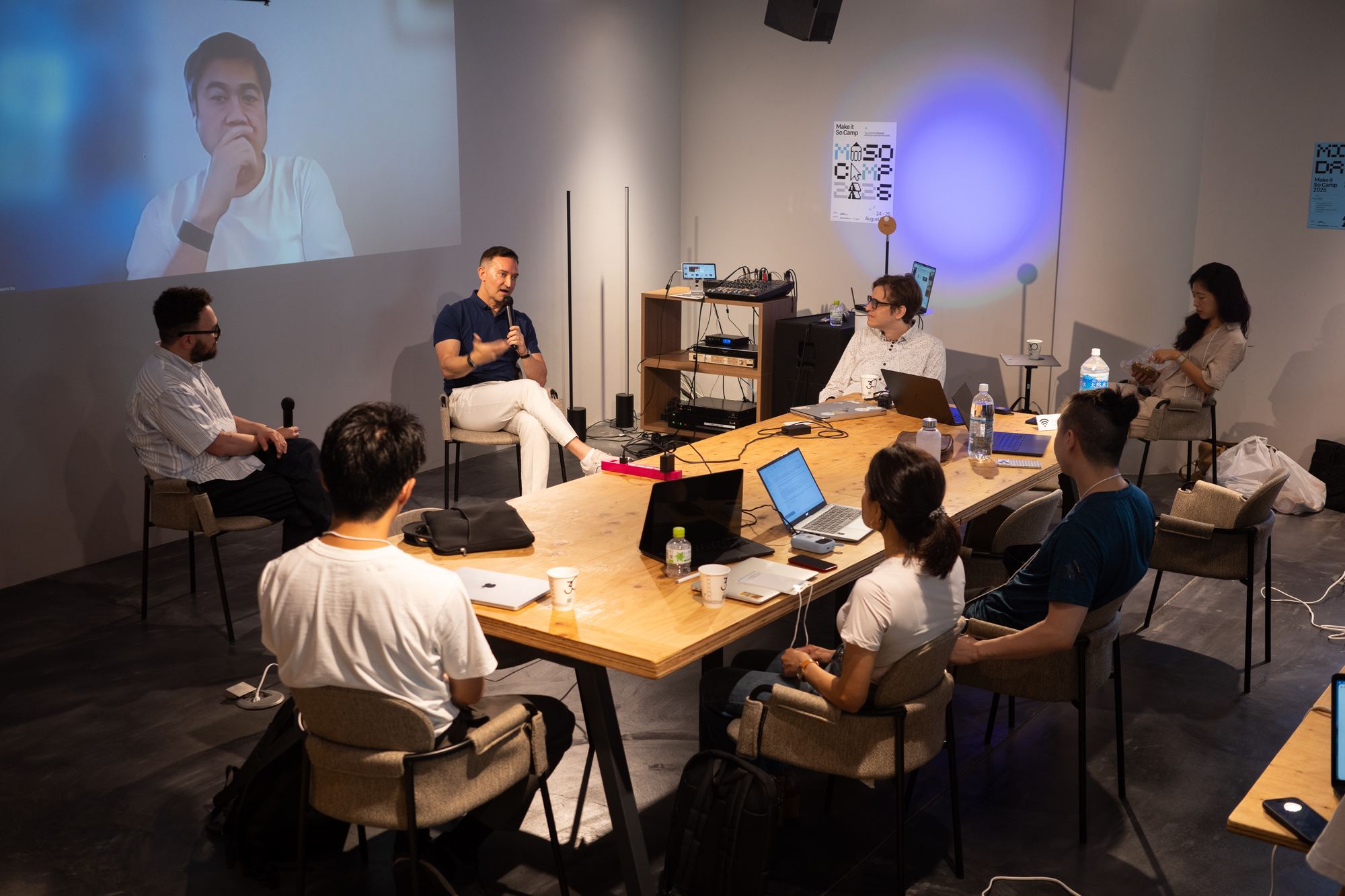
Two days in Tokyo hosted by the Henkaku Center and led by Dr. Noah Raford and Igor Schwarzmann, with SDS students, researchers, founders, engineers and philosophers. On day one, everyone wrote down the method behind a real problem they work on; on day two, they put that method to work with AI tools. Demos ranged from policy-monitoring agents to research workflows and planning tools.
-
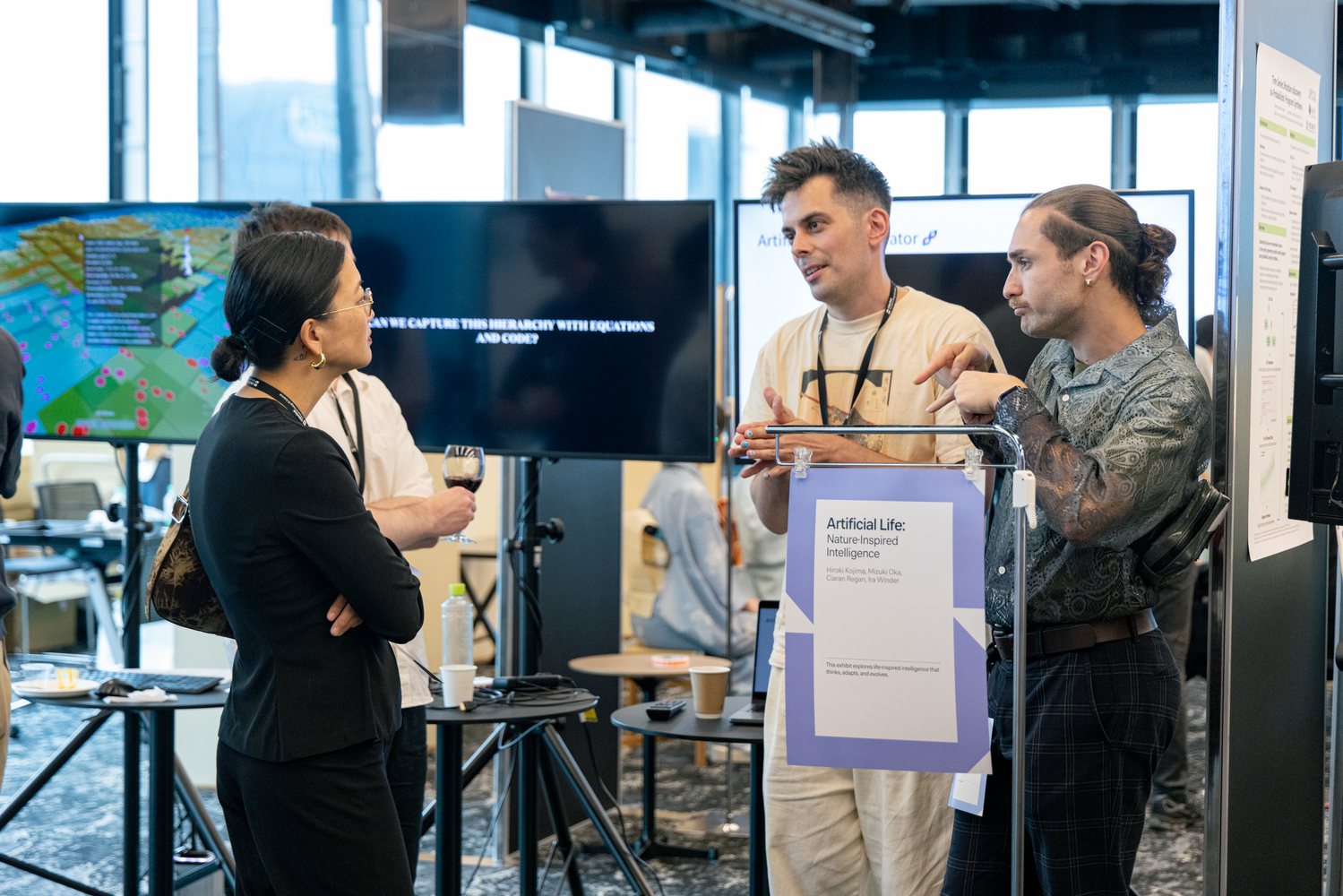
Symposium on Design and Science
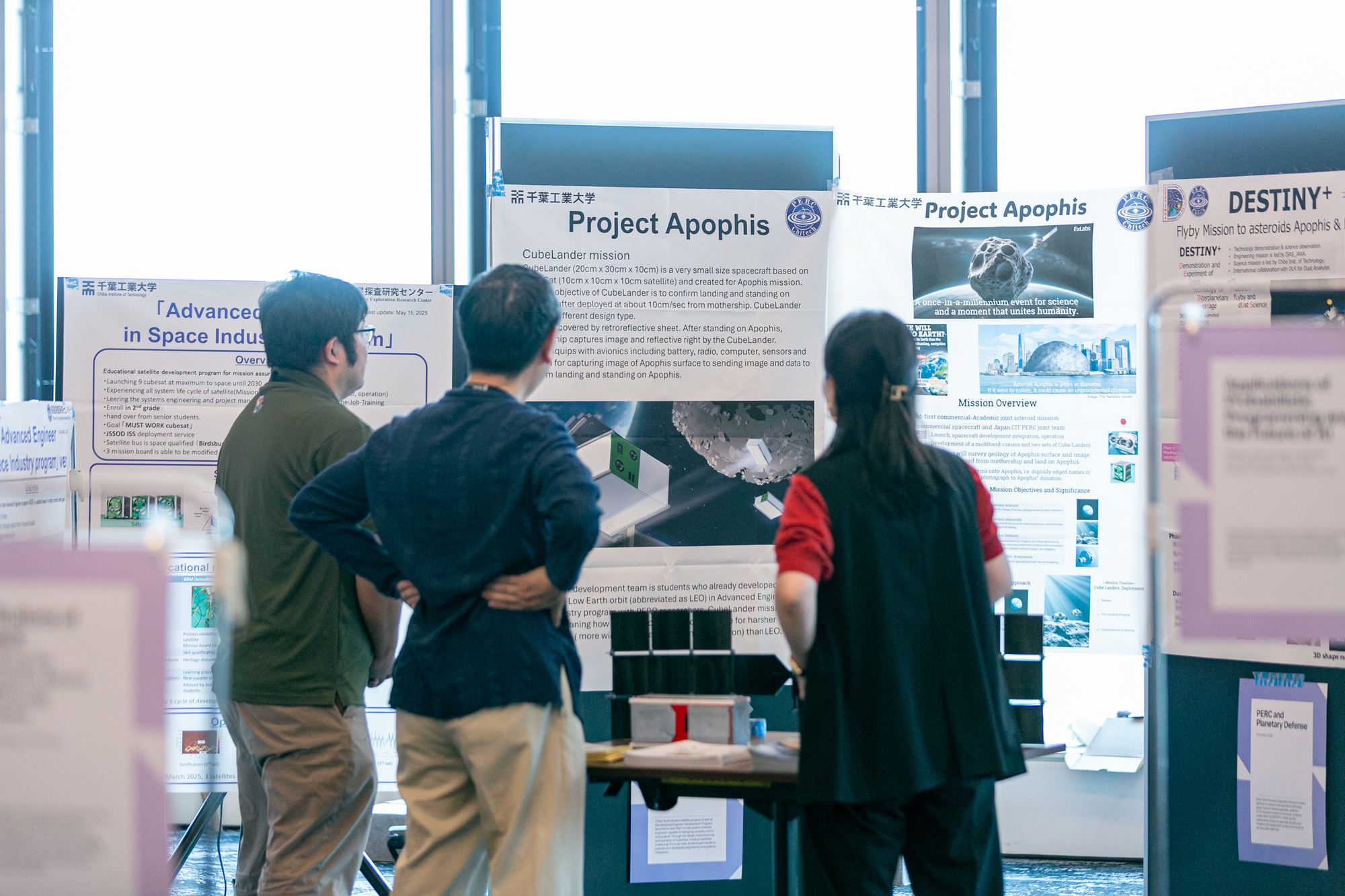
In July 2025 the Henkaku Center hosted a symposium showcasing antidisciplinary research on AI, neurodiversity and education in Japan. It included Japan's first international AI safety workshop, held with the backing of the Japan AI Safety Institute.
-
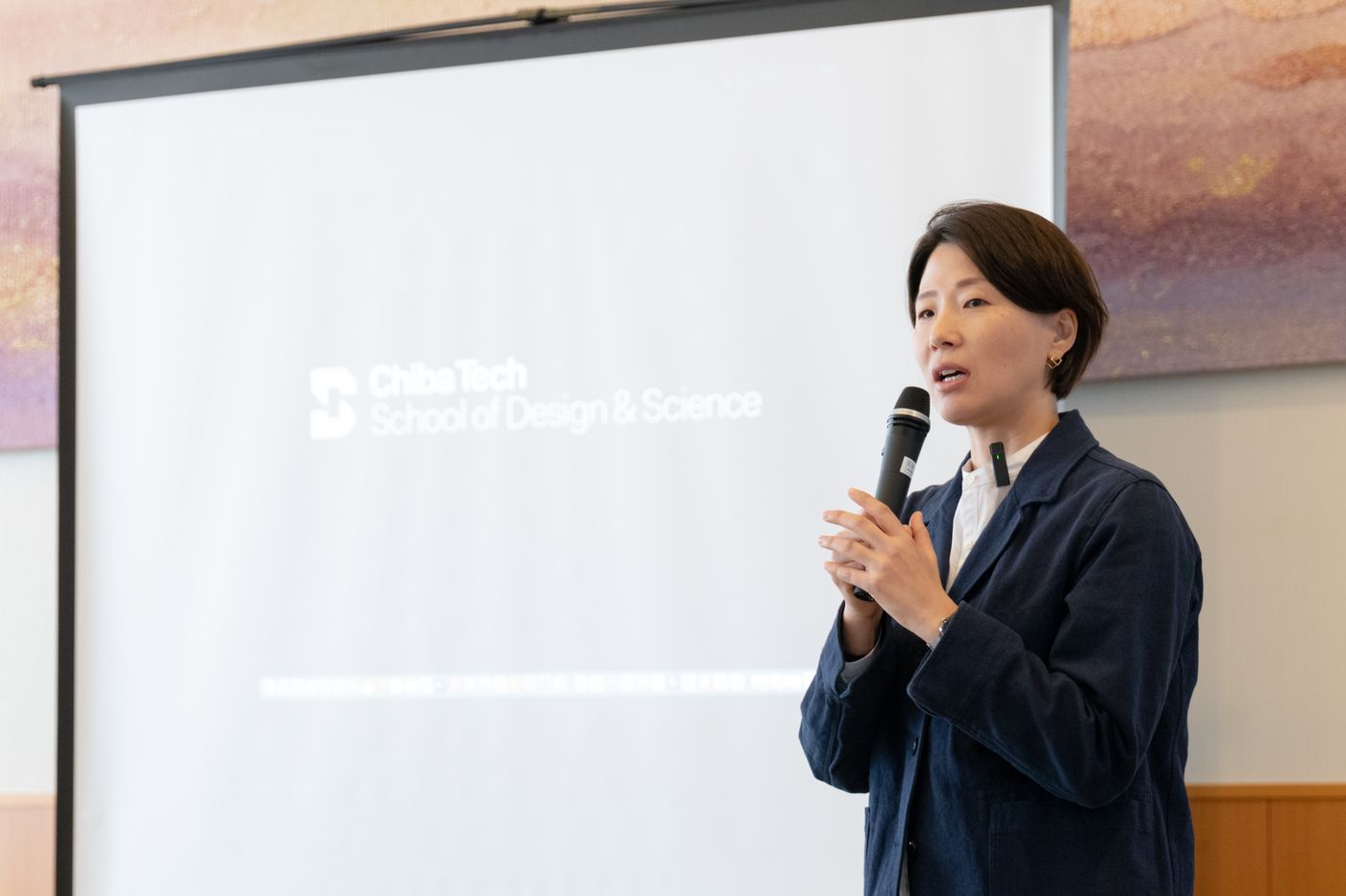
Open House
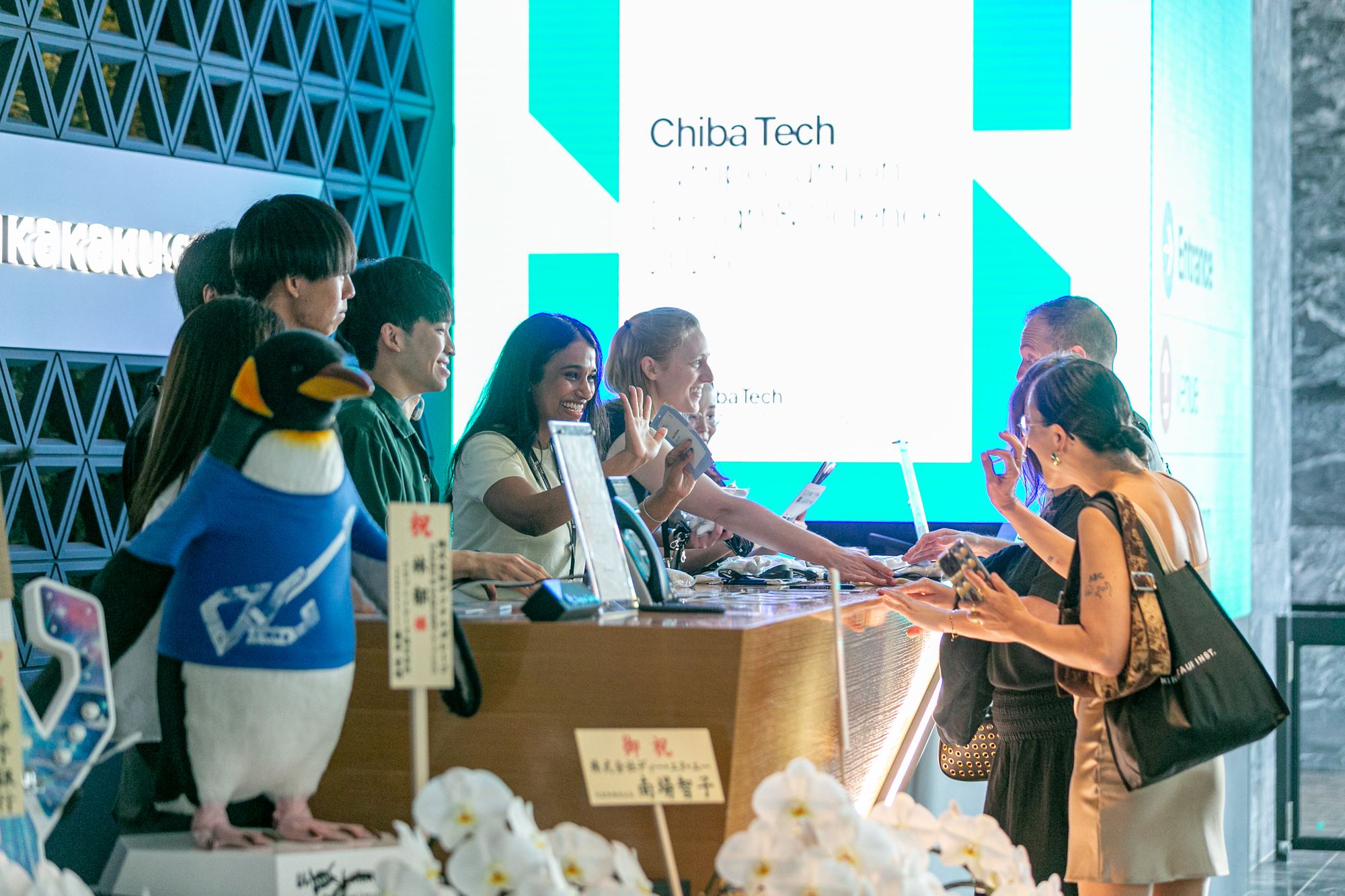
Each year SDS opens its doors so prospective students can meet the faculty and current students and see the work.
The wider community
SDS sits inside a larger network of research, policy and community work.
-
Henkaku Center
Chiba Tech's Center for Radical Transformation brings together antidisciplinary researchers from around the world to design and build new technical and cultural platforms. Most SDS research happens here, alongside its speaker series and research projects.
-
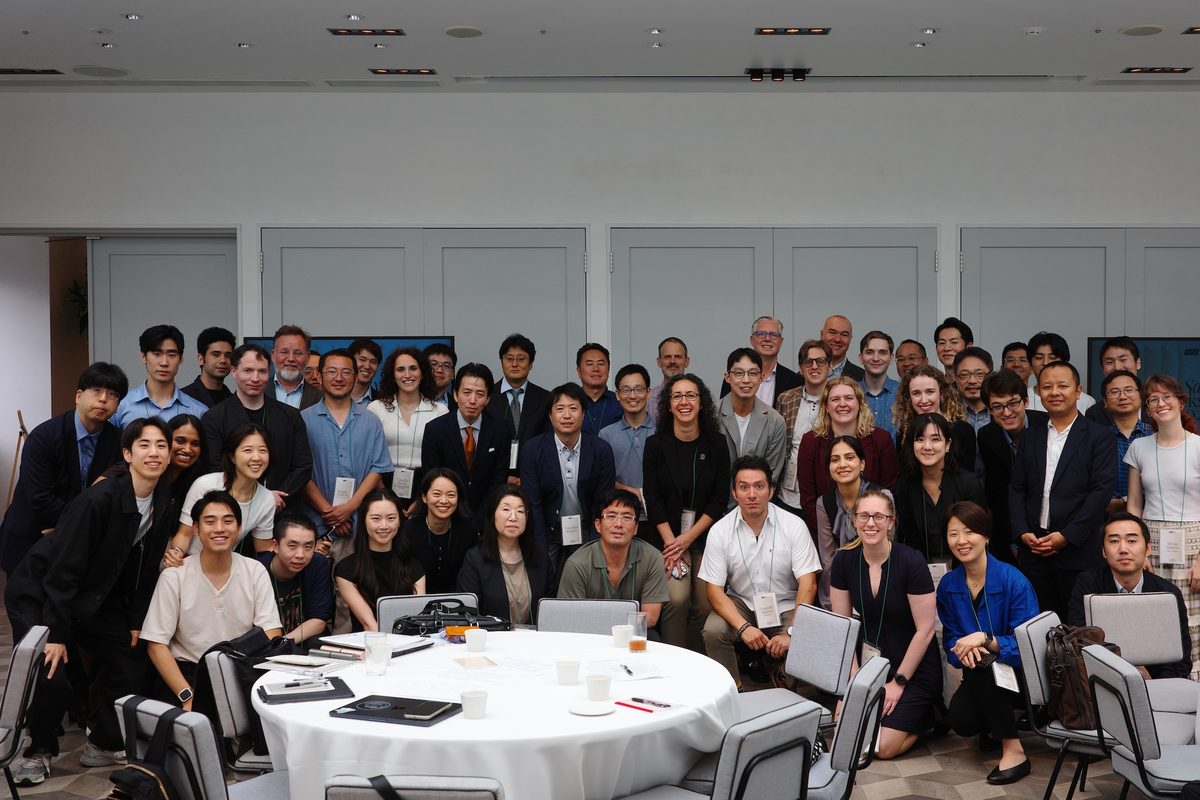
AI Safety in Japan
The Henkaku Center convenes Japan's AI safety community. Workshops in 2025 and 2026, backed by the Japan AI Safety Institute, brought together researchers, companies and policymakers from Japan, the US, the UK, Singapore, Korea, Australia, Bhutan and Europe.
-
Dabtong House
An independent non-profit in Thimphu, Bhutan, and our partner there: the in-country home for long-running projects that connect Bhutan and Japan across education, technology, craft and community.
Where you'll study
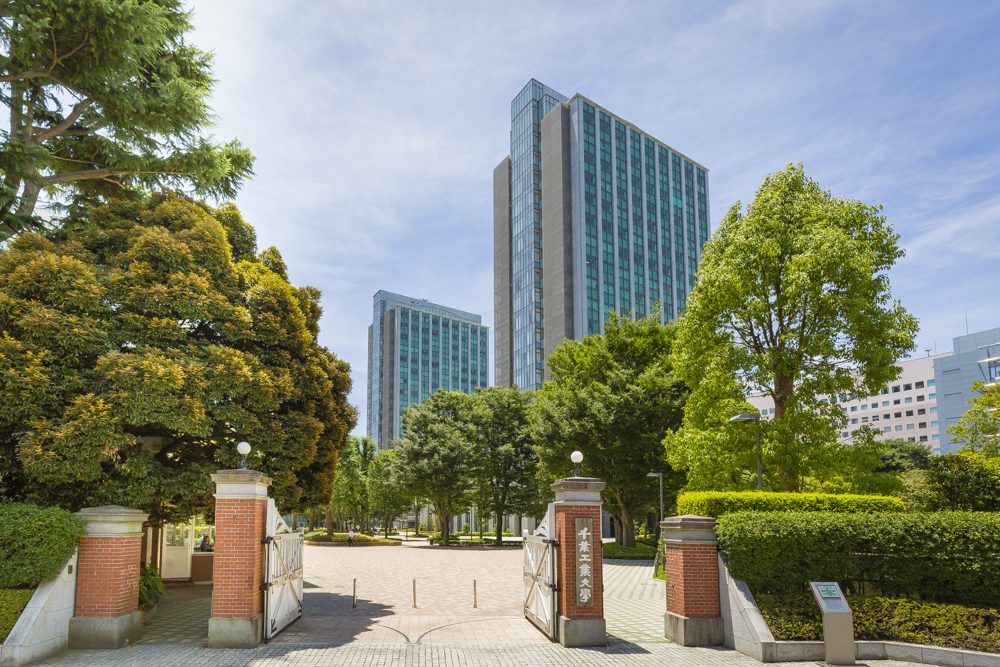
Classes, studio work and lab meetings happen at the Henkaku Center on Chiba Tech's Tsudanuma campus in Narashino, Chiba. Some sessions move into the city: APS II builder sessions run at FabCafe Tokyo in Shibuya.
All teaching, advising and the thesis are in English. You don't need Japanese to enroll, study or graduate.
Getting here
Chiba Institute of Technology, Tsudanuma Campus
2-17-1 Tsudanuma, Narashino, Chiba 275-0016
- JR Sobu Line1-minute walk from the south exit of Tsudanuma Station. About 30 minutes from Tokyo Station by rapid train.
- Keisei Line10-minute walk from Keisei Tsudanuma Station. About 38 minutes from Keisei Ueno by rapid train.
- Keisei Matsudo Line3-minute walk from Shin-Tsudanuma Station.
Travel times don't include transfers. Chiba Tech access map →
See it for yourself
Explore the courses, meet the faculty, or start your application.